
Indoor Plants That Produce Oxygen
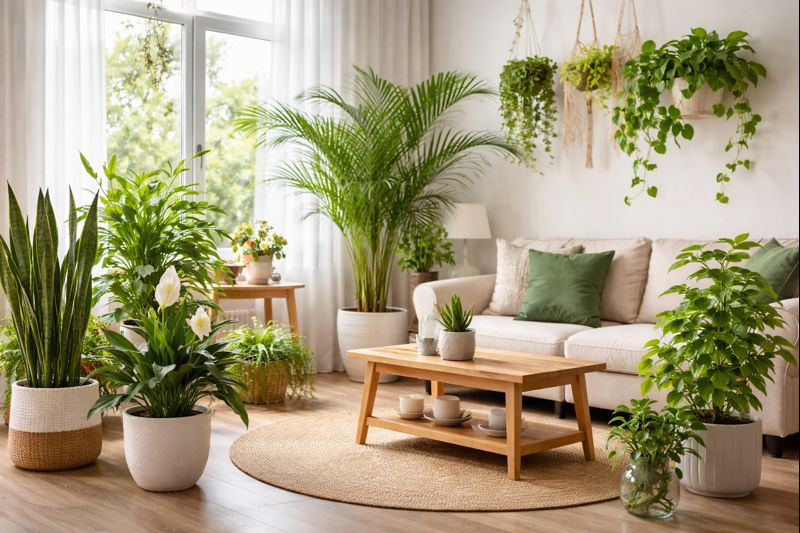
A Simple, Practical & Refreshing Guide for Every Home 🌱
Most of us believe that once we are inside our homes, the air we breathe is clean and safe.
But the reality is a little different.
In cities especially, indoor air can be more polluted than outdoor air due to dust, chemicals from furniture, lack of ventilation, and closed windows. Over time, this affects breathing, sleep, and overall health.
The good news?
You don’t need expensive machines to improve indoor air quality.
Sometimes, the solution is simple, natural, and green — indoor plants that produce oxygen.
Let’s explore how these plants help, which ones work best, and how you can use them easily in your home.
Who Is This Blog For?
This guide is written for everyone, especially:
People living in flats or small apartments
Seniors who want cleaner, healthier air
Students and work-from-home professionals
Beginners who want low-maintenance indoor plants
Anyone who wants a fresher, calmer home environment
No technical language. No confusing science. Just clear, useful information.

Why Oxygen-Producing Indoor Plants Matter 🌬️
Indoor plants do more than decorate a room.
They help by:
- Releasing oxygen
- Improving indoor air quality
- Reducing stress and fatigue
- Making living spaces feel calm and refreshing
Some special plants even release oxygen at night, which makes them ideal for bedrooms and sleeping areas.
How Do Indoor Plants Produce Oxygen?
Plants use a natural process called photosynthesis.
- During the day, most plants take in carbon dioxide and release oxygen.
- Some plants follow a special process (CAM photosynthesis) and release oxygen at night as well.
That’s why certain indoor plants are better for bedrooms and closed rooms.
Simple science — powerful impact.
Best Indoor Plants That Produce Oxygen 🌿
Below are some of the most effective and easy-to-maintain indoor oxygen plants, suitable for Indian homes.
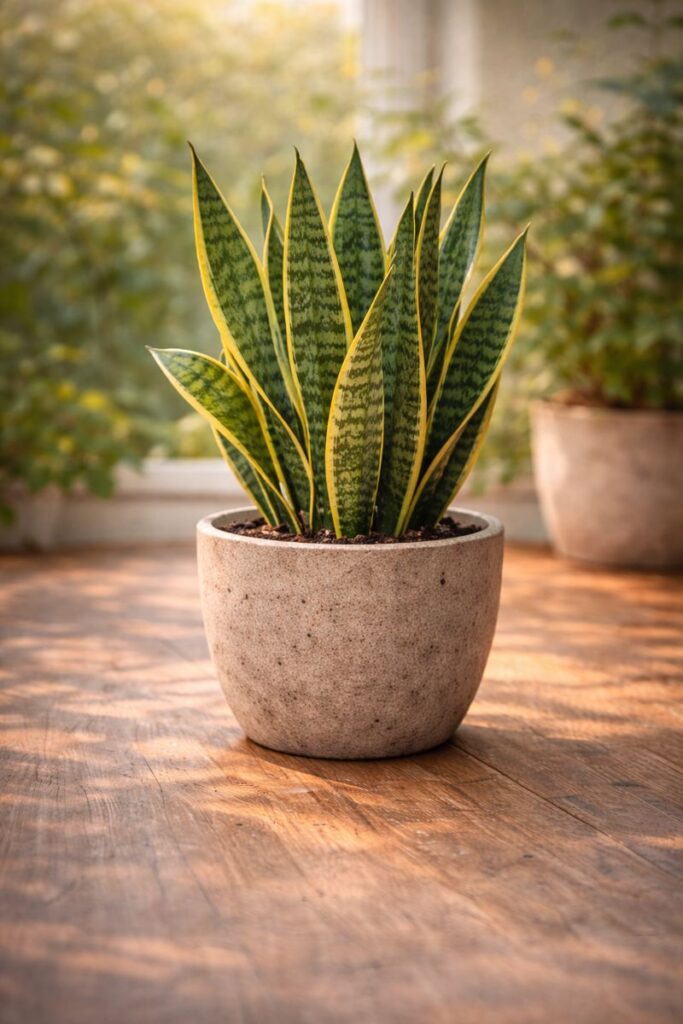
- Snake Plant (Sansevieria)
Best for: Bedroom, beginners, low light
Snake Plant releases oxygen at night and needs very little care.
- Survives low light
- Needs watering once a week or less
- Improves sleep quality
Ideal if you want results without effort.
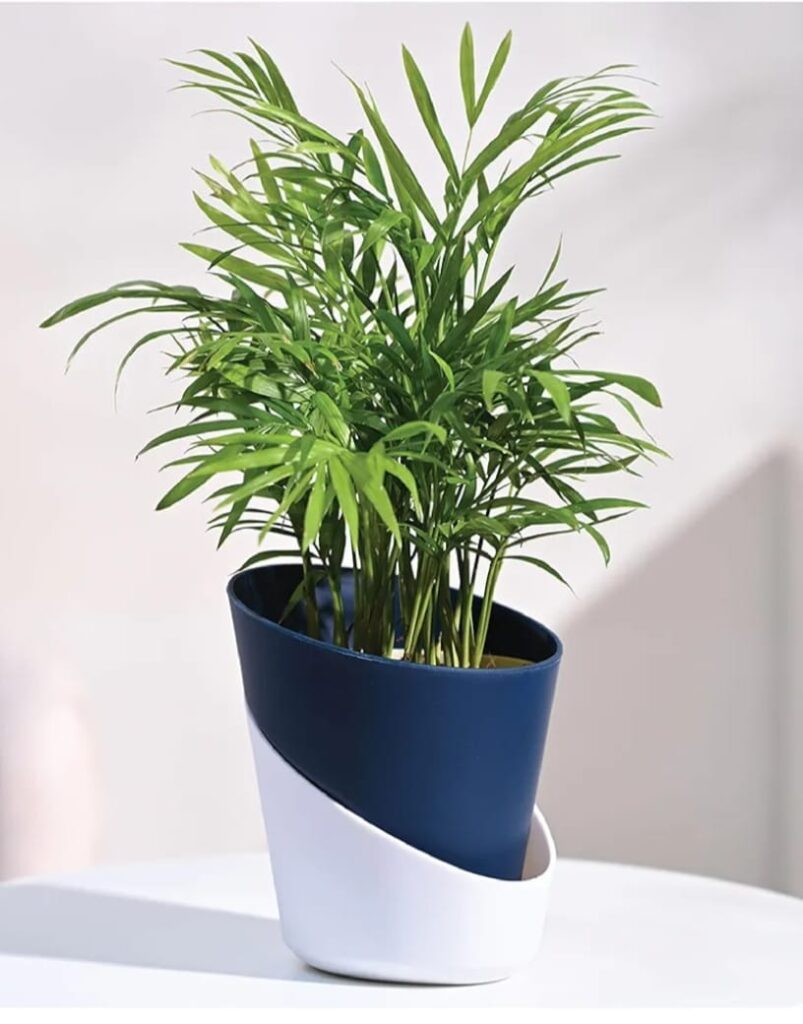
- Areca Palm
Best for: Living room, overall air quality
Areca Palm releases a high amount of oxygen and adds moisture to dry air.
- Improves indoor air freshness
- Looks full and elegant
- Great for family spaces
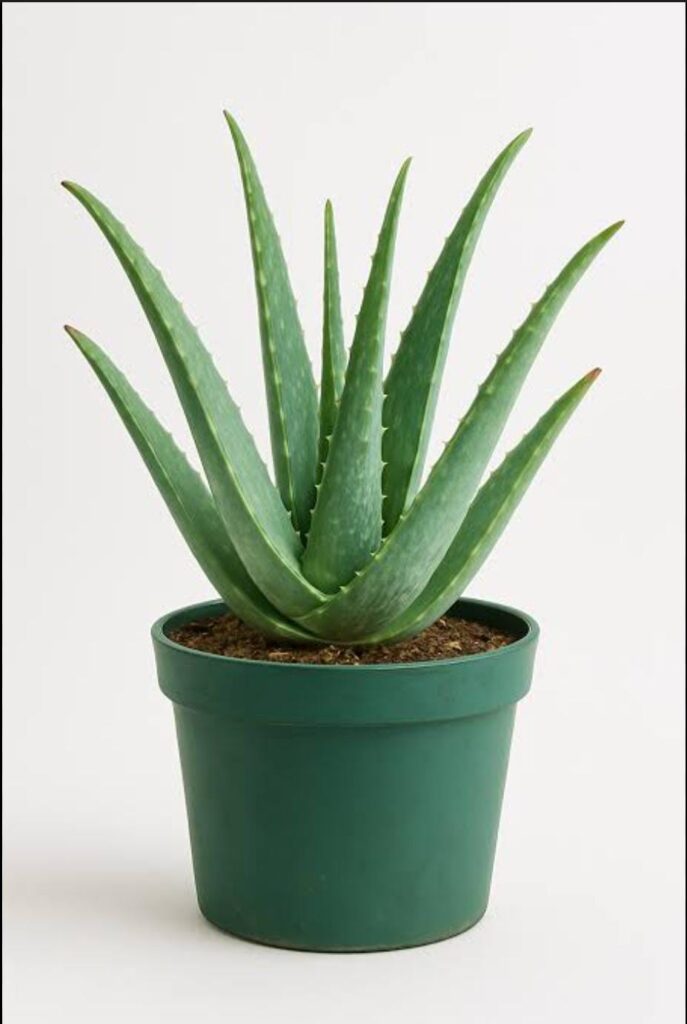
- Aloe Vera
Best for: Bedroom, health benefits
Aloe Vera is both medicinal and functional.
- Releases oxygen at night
- Removes indoor toxins
- Easy to grow
Plus, its gel is useful for skin care.
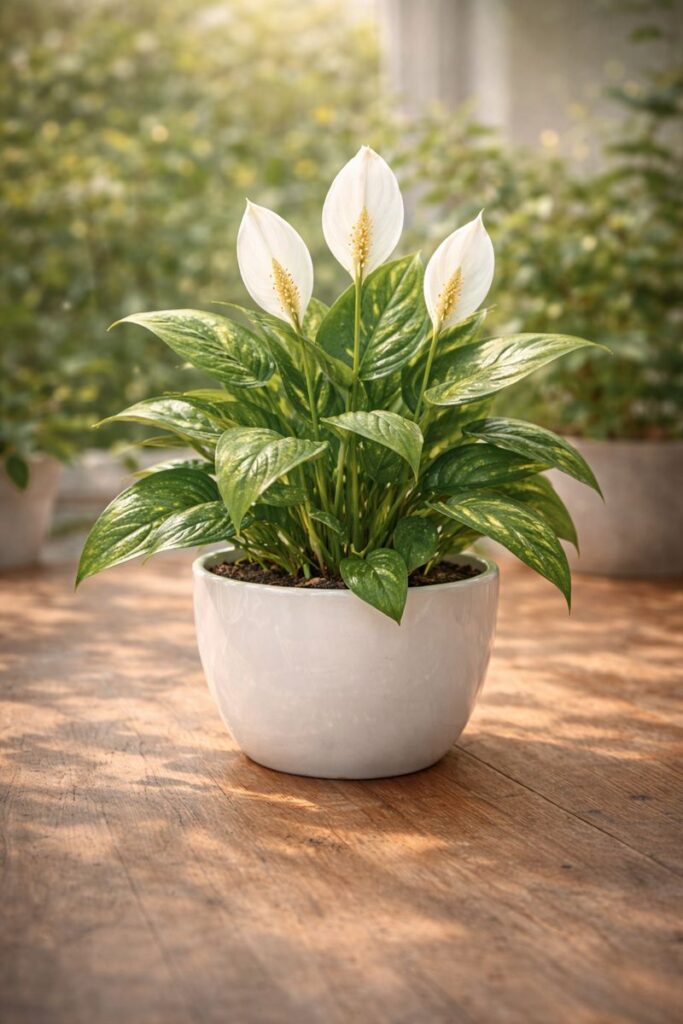
- Peace Lily
Best for: Air purification, aesthetics
Peace Lily improves oxygen levels and absorbs harmful chemicals.
- Grows well indoors
- Needs medium light
Clearly shows when it needs water
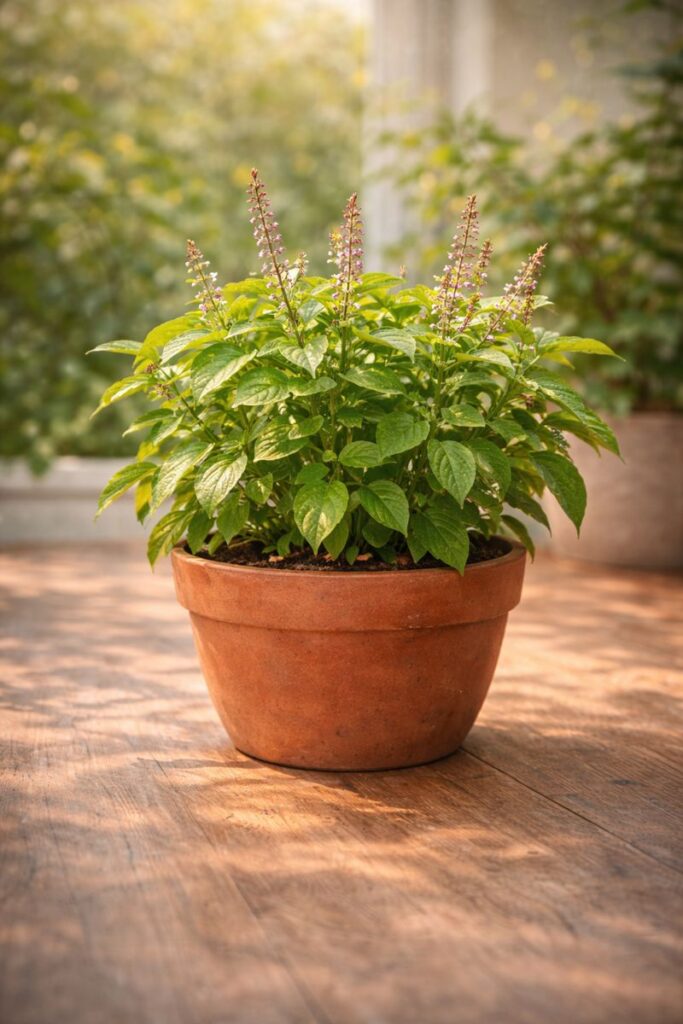
- Tulsi (Holy Basil)
Best for: Indian homes, health & positivity
Tulsi is deeply rooted in Indian tradition and supported by science.
- Improves air quality
- Produces oxygen
- Has medicinal benefits
Place it where it gets sunlight.
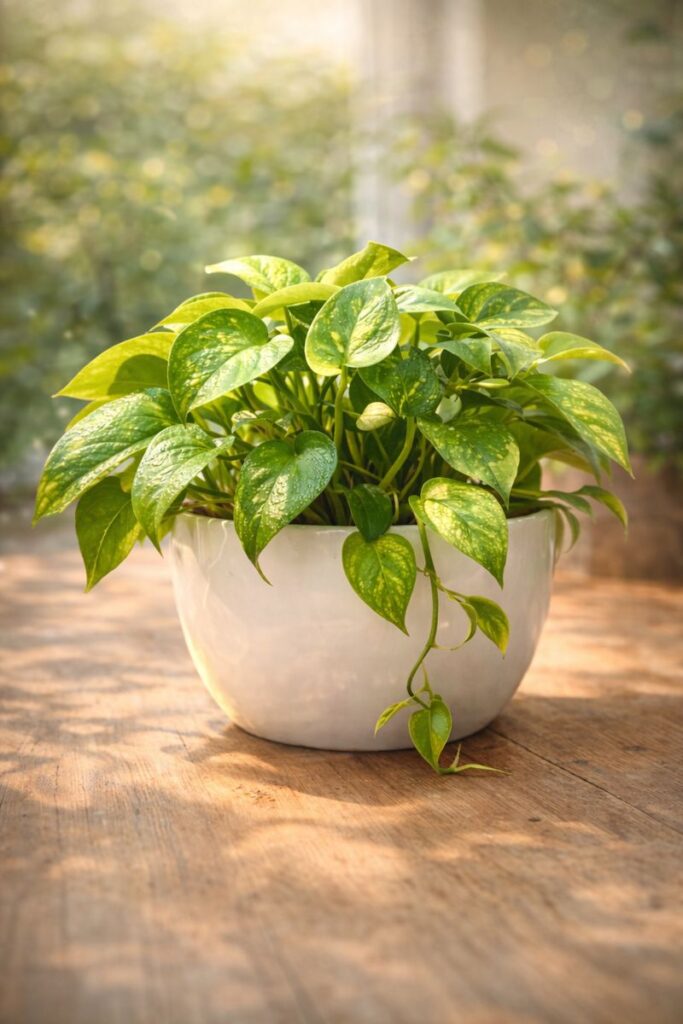
- Money Plant (Pothos)
Best for: Beginners, small rooms
Money Plant is one of the easiest indoor plants to grow.
- Works in soil or water
- Improves indoor air quality
Needs minimal care
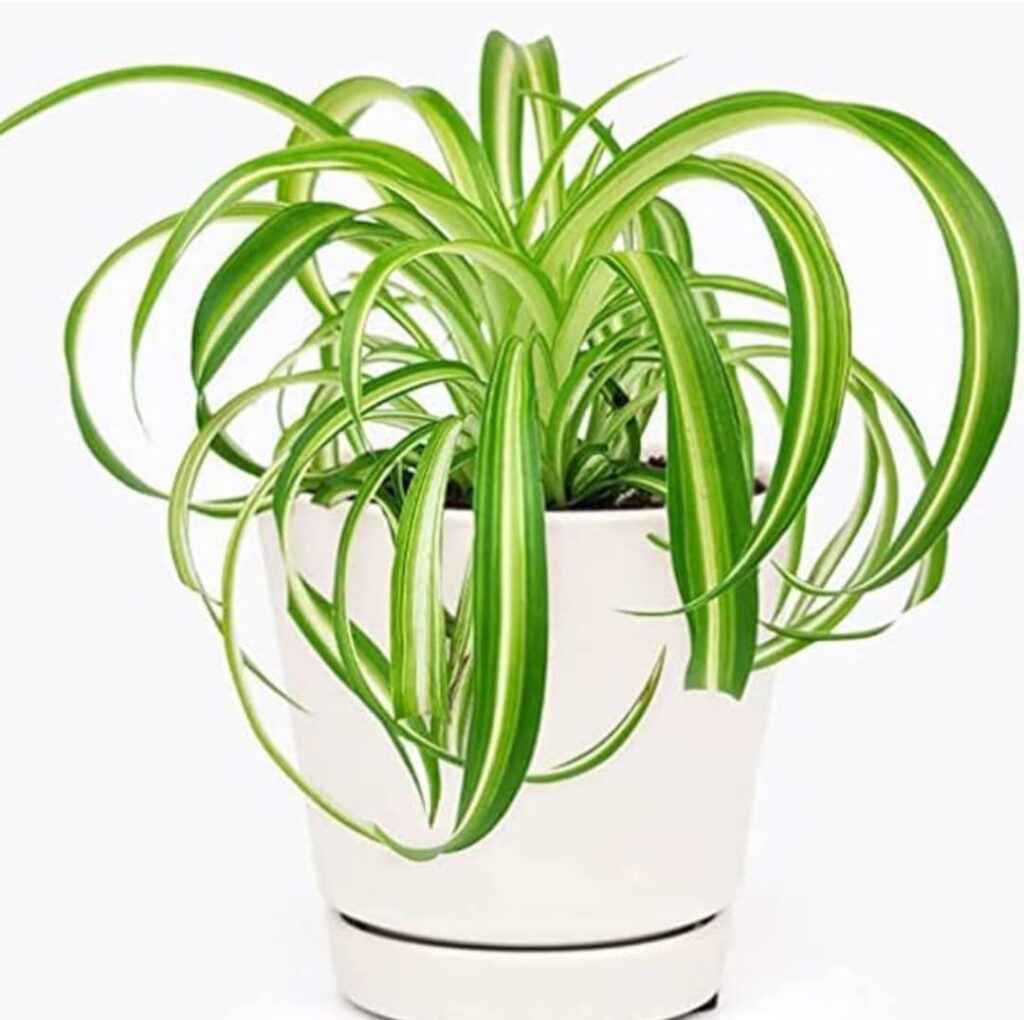
- Spider Plant
Best for: Offices, desks, small spaces
Spider Plant removes pollutants and improves oxygen levels.
- Fast-growing
- Pet-friendly
- Very low maintenance
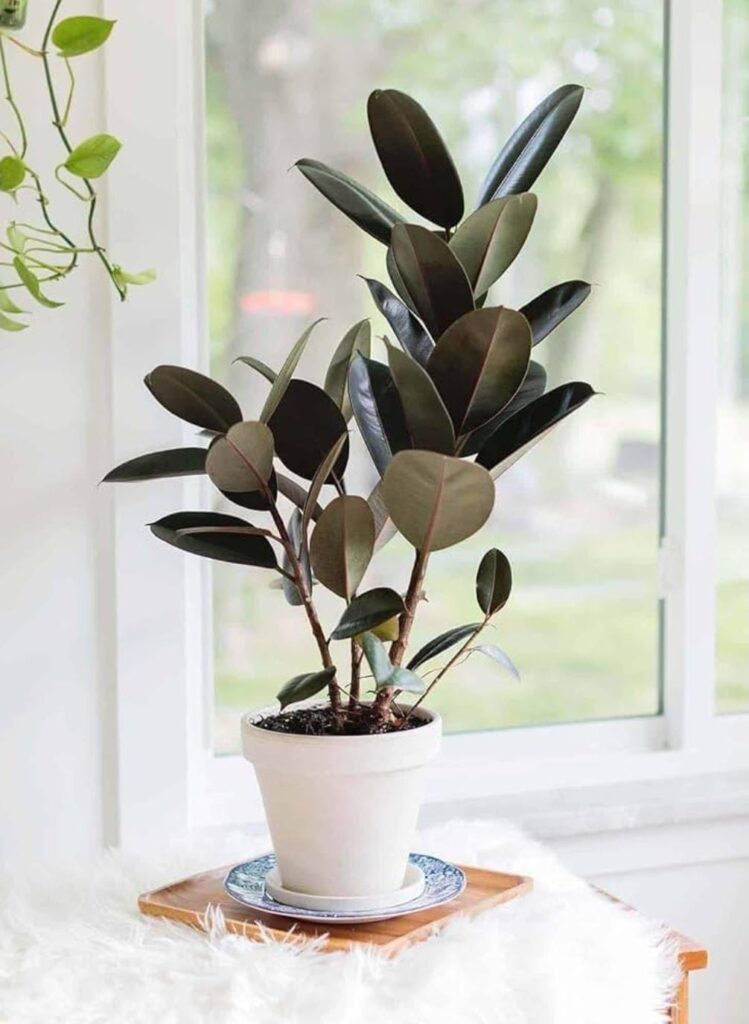
- Rubber Plant
Best for: Living rooms, larger spaces
Large leaves help absorb toxins effectively.
- Needs indirect sunlight
- Minimal watering
- Stylish and modern look
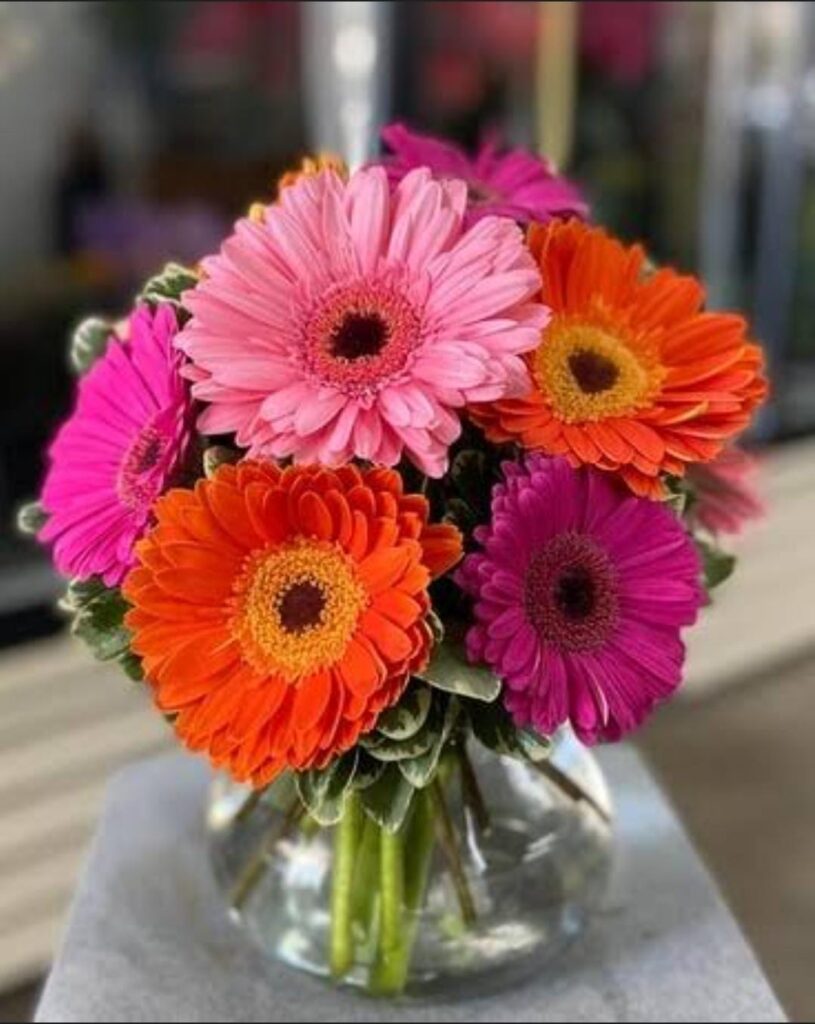
- Gerbera Daisy
Best for: Bedroom oxygen at night
Gerbera Daisy releases oxygen at night and looks cheerful.
- Needs sunlight
- Best near windows
- Supports better sleep
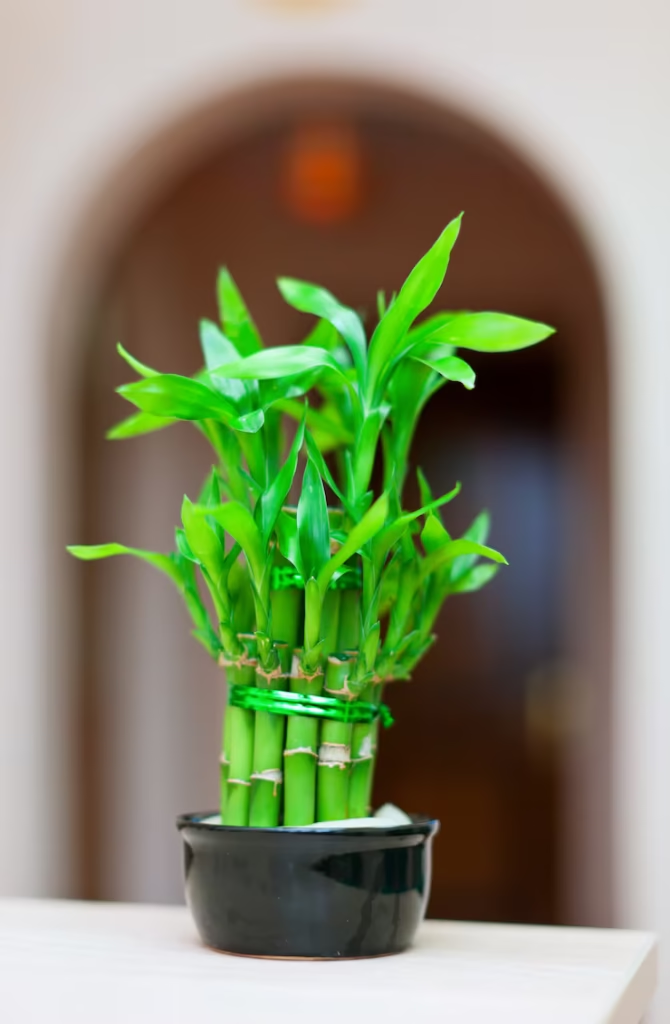
- Bamboo Palm
Best for: Offices, low-light rooms
Bamboo Palm works well indoors and improves air quality.
- Tolerates low light
- Office-friendly
Easy to manage.
Best Indoor Oxygen Plants for Bedroom 😴
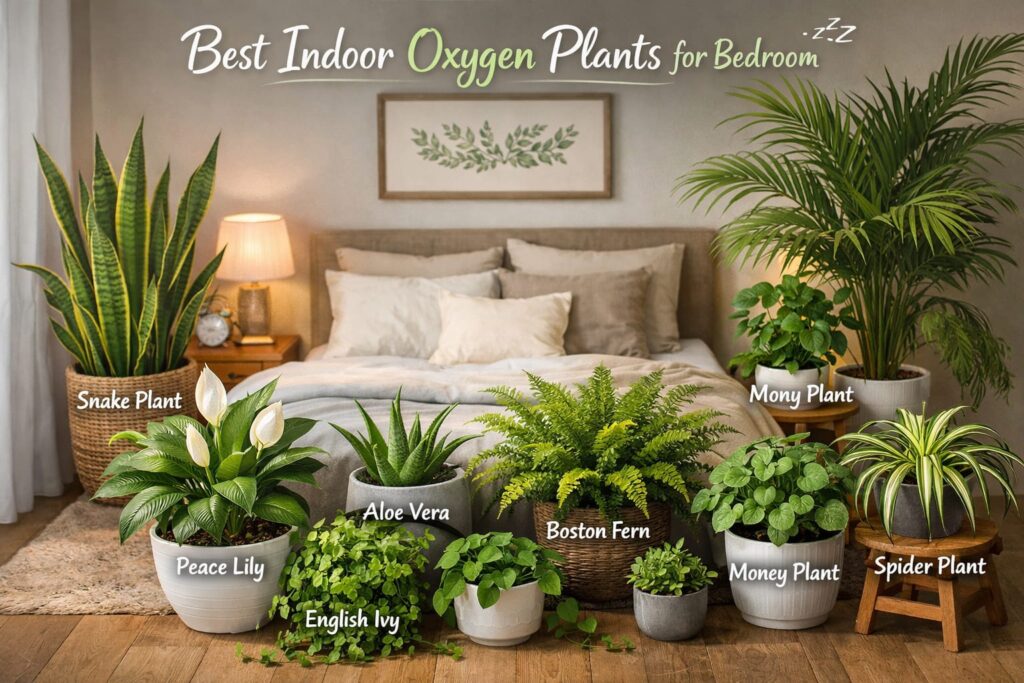
For better sleep and breathing, choose plants that release oxygen at night:
- Snake Plant
- Aloe Vera
- Peace Lily
- Gerbera Daisy
One or two plants are enough for a bedroom.
Indoor Plants for Small Rooms & Apartments 🏠
Limited space? These plants work well:
- Snake Plant
- Money Plant
- Spider Plant
- Aloe Vera
They don’t crowd the room but still improve air quality.
Low-Maintenance Indoor Oxygen Plants 🌱
Perfect for busy people:
- Snake Plant
- Aloe Vera
- Rubber Plant
- Money Plant
These plants survive even if you forget to water sometimes.
Indoor Plants That Grow Without Direct Sunlight 🌤️
Not every home has bright sunlight.
Good low-light options:
- Snake Plant
- Peace Lily
- Bamboo Palm
- Money Plant
Indoor Plants for Office & Workspaces 💼
Plants at work help reduce stress and improve focus.
Best choices:
- Spider Plant
- Snake Plant
- Bamboo Palm
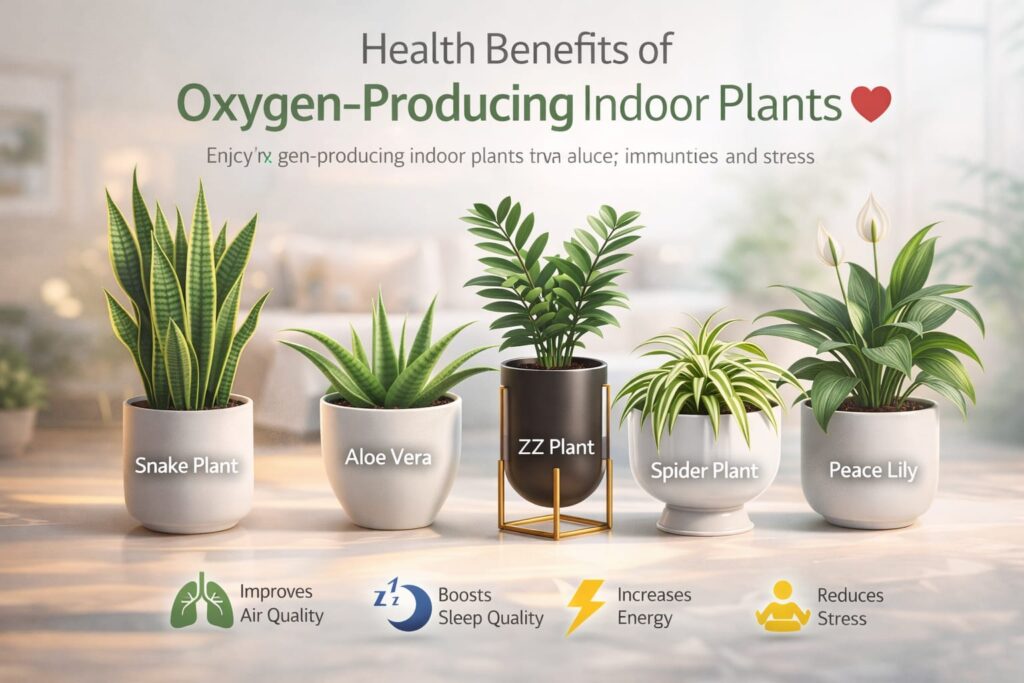
Health Benefits of Oxygen-Producing Indoor Plants ❤️
These plants help with:
- Better breathing
- Improved sleep
- Reduced stress
- Cleaner indoor air
Small changes can improve daily comfort significantly.
Simple Care Tips 🌿
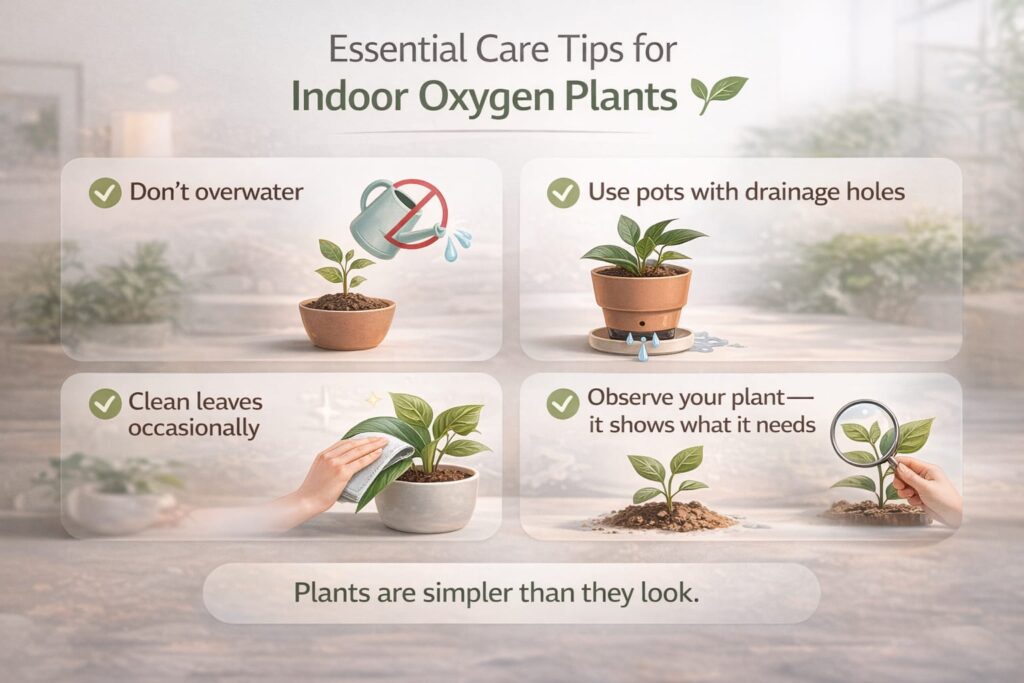
- Don’t overwater
- Use pots with drainage holes
- Clean leaves occasionally
- Observe your plant — it shows what it needs
Plants are simpler than they look.
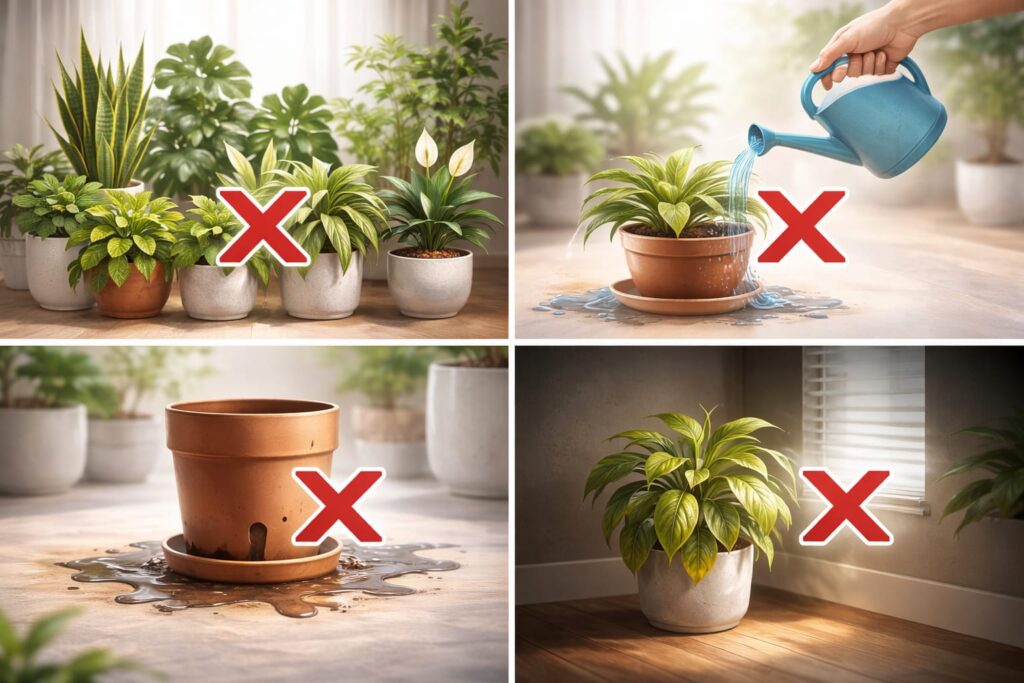
Common Mistakes to Avoid ❌
- Keeping too many plants in one room
- Overwatering
- No drainage
- Placing sun-loving plants in dark areas
Frequently Asked Questions (FAQs) About Indoor plants that produce Oxygen
1. Do indoor plants really increase oxygen?
Yes, indoor plants release oxygen through the natural process of photosynthesis and absorb carbon dioxide from the air. In addition to producing oxygen, many indoor plants help filter harmful toxins, increase humidity levels, and improve overall air quality. When placed correctly and cared for well, indoor plants can make living spaces feel fresher, healthier, and more comfortable.
2. How many plants are enough for one room?
For most rooms, 1–2 medium-sized indoor plants are usually sufficient to maintain freshness and balance. In larger rooms with good ventilation, you may keep 3–4 plants without any problem. However, placing too many plants in one room can create clutter and may increase humidity, so moderation is always recommended.
3. Can indoor plants replace air purifiers?
Indoor plants contribute to cleaner air in a natural way, but they cannot fully replace air purifiers, especially in areas with high levels of pollution. While plants help reduce certain toxins and improve air quality gradually, air purifiers are designed to remove fine particles more efficiently. Using both together provides the best results for a healthier indoor environment.
4. Which indoor plants are best for beginners?
Beginners should choose low-maintenance plants such as Snake Plant, Pothos, Aloe Vera, and Spider Plant. These plants are hardy, require minimal watering, and can adapt well to indoor conditions. They are ideal for people who are new to plant care or have a busy lifestyle.
5. Do indoor plants need sunlight every day?
Most indoor plants grow best in bright, indirect sunlight, as direct sunlight can damage their leaves. Some plants, like the Snake Plant and ZZ Plant, can tolerate low-light conditions and still grow well. Proper placement near windows with filtered light helps plants stay healthy and vibrant.
6. Is it safe to keep indoor plants in the bedroom?
Yes, keeping indoor plants in the bedroom is generally safe and beneficial when done in moderation. Certain plants, such as the Snake Plant, release oxygen at night and may help improve air quality. A small number of plants can create a calming atmosphere that supports relaxation and better sleep.
7. How often should indoor plants be watered?
Watering frequency depends on the plant type, pot size, and indoor climate. Most indoor plants should be watered only when the top layer of soil feels dry. Overwatering is one of the most common reasons plants die, so it is important to ensure proper drainage and avoid watering on a fixed schedule.
8. Can indoor plants help reduce stress?
Yes, research shows that indoor plants can help reduce stress, improve concentration, and boost mood. Being around greenery has a calming effect on the mind and can make indoor spaces feel more peaceful and welcoming. This is why plants are often recommended for homes, offices, and study areas.
9. Do indoor plants attract insects?
Indoor plants usually do not attract insects if they are well cared for. Problems occur mainly due to overwatering, poor drainage, or dirty leaves. Regular cleaning, proper watering, and good airflow help keep plants healthy and prevent pest issues.
Final Thoughts 🌿
You don’t need to turn your home into a jungle.
Just a few indoor plants that produce oxygen can make your home feel fresher, calmer, and healthier.
Start small.
Choose the right plants.
Let nature do the rest.
If you found this guide helpful, share it with someone who wants a healthier home 🌱
Want to add these plants to your home? click here to explore options.