
10 Powerful Medicinal & Herbal Plants for Home
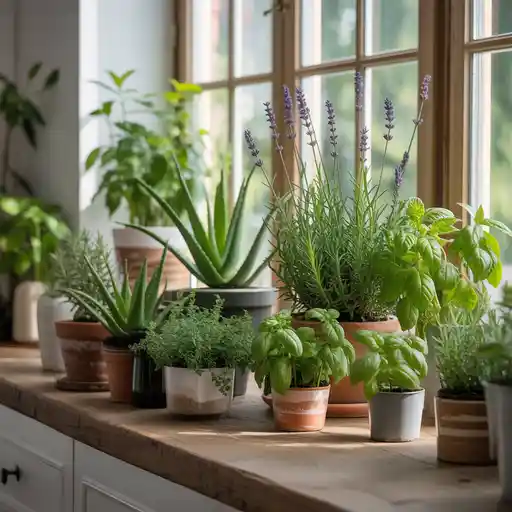
Discover the best medicinal & herbal plants for home that improve immunity, reduce stress, and purify air naturally.In today’s fast‑paced lifestyle, our homes should be more than just living spaces. We want them to be healthy, peaceful, and healing. This is where medicinal & herbal plants for home play a powerful role. These plants are not just decorative—they are natural healers that improve physical health, mental well‑being, and overall quality of life.
India has a rich tradition of Ayurveda and herbal remedies. Earlier, almost every home had plants like Tulsi, Neem, or Aloe Vera in the courtyard. With modern indoor gardening, you can now grow these powerful medicinal plants even in small apartments, balconies, or indoor corners.
In this complete guide, you will learn:
- What medicinal & herbal plants are
- The best medicinal plants to grow at home
- Their health benefits
- Easy growing and care tips
- Which plants help with specific health problems
This blog is written in simple, professional, and easy‑to‑understand English, making it perfect for beginners as well as plant lovers.
What Are Medicinal & Herbal Plants?
Medicinal Plants are those plants whose parts like roots, stems, leaves, etc can be used for therapeutic and treatment purposes. As per research, they are the elements of nature that have properties to protect against insects and parasites. This is one of the reasons why plant-based products are being used increasingly nowadays.
(Important Note: Many plants out of this list are commonly used in Indian kitchens. However, if you are still unaware of its impact on your health. We advise you to take a step up and consult your physician before consuming anything with the intent of treatment.)
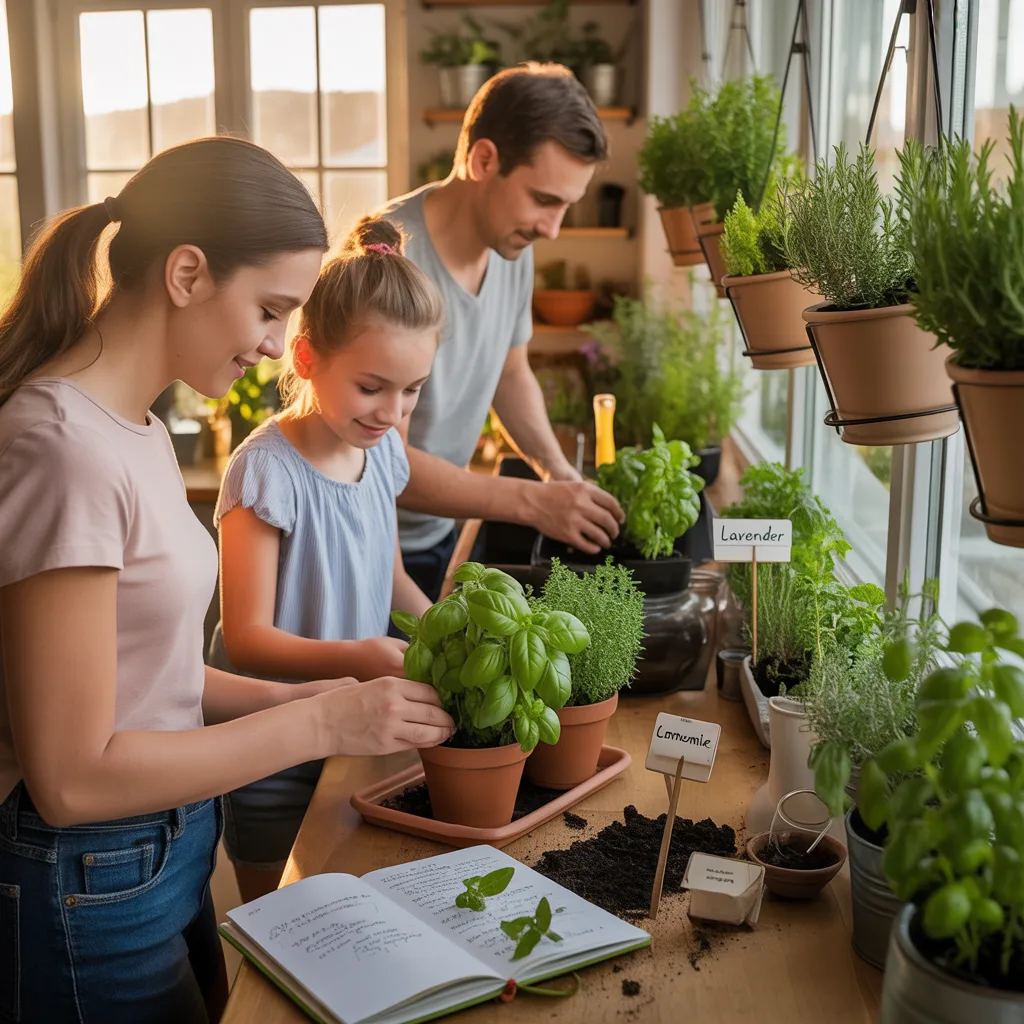
Top 10 Medicinal & Herbal Plants for Home
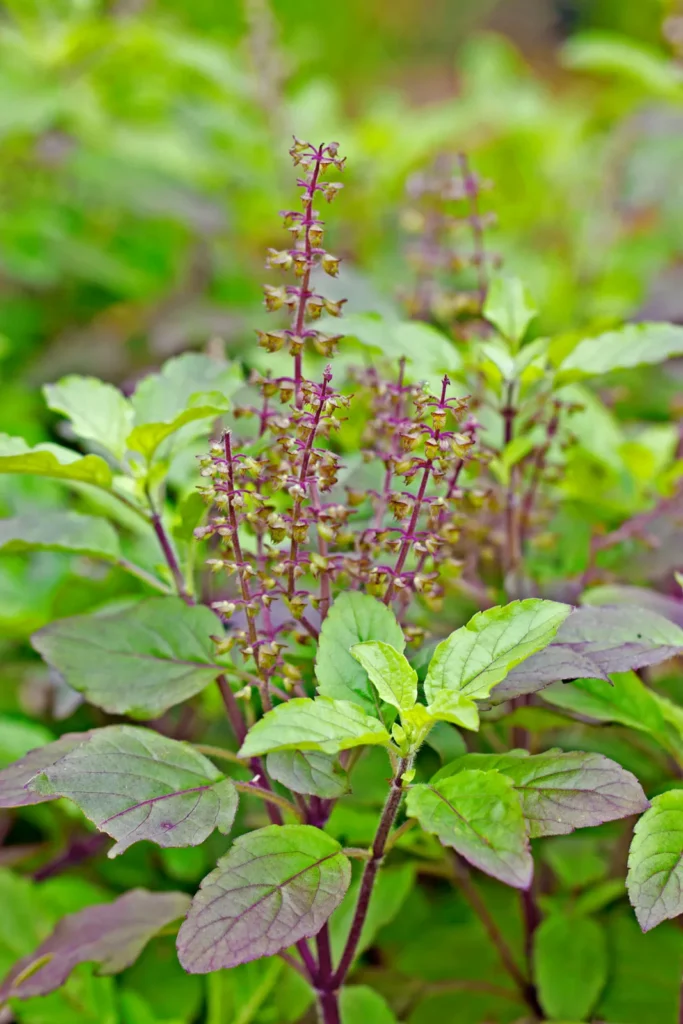
- Tulsi (Holy Basil) 🌱
There are four types of tulsi mentioned in ayurvedic texts ie Rama, Krishna, Vana & Kapoor Tulsi.
For over the centuries Tulsi (the queen of herbs) has been known for its remarkable healing properties.
Tulsi is taken as herbal tea.
The oil extracted from the Karpoora Tulsi is mostly used in the herbal toiletry. Its oil is also used against insects and bacteria.
The Rama Tulsi is an effective remedy for Severe acute Respiratory Syndrome. Juice of its leaves gives relief in cold, fever, bronchitis and cough.
Tulsi oil is also used as an ear drop.
Tulsi helps in curing malaria.
It is very effective against indigestion, headache, hysteria, insomnia, and cholera.
The fresh leaves of Tulsi are taken by millions of people every day.
Many people wear Tulsi beads, which is said to have certain physical and medicinal properties.
Health Benefits:
- Strengthens the immune system
- Helps relieve cold, cough, and fever
- Reduces stress and anxiety
- Purifies indoor air
How to Grow Tulsi at Home:
- Needs good sunlight (4–6 hours daily)
- Use well‑drained garden soil
- Water regularly but avoid overwatering
Pro Tip: Consuming 2–3 fresh Tulsi leaves in the morning helps boost immunity naturally.
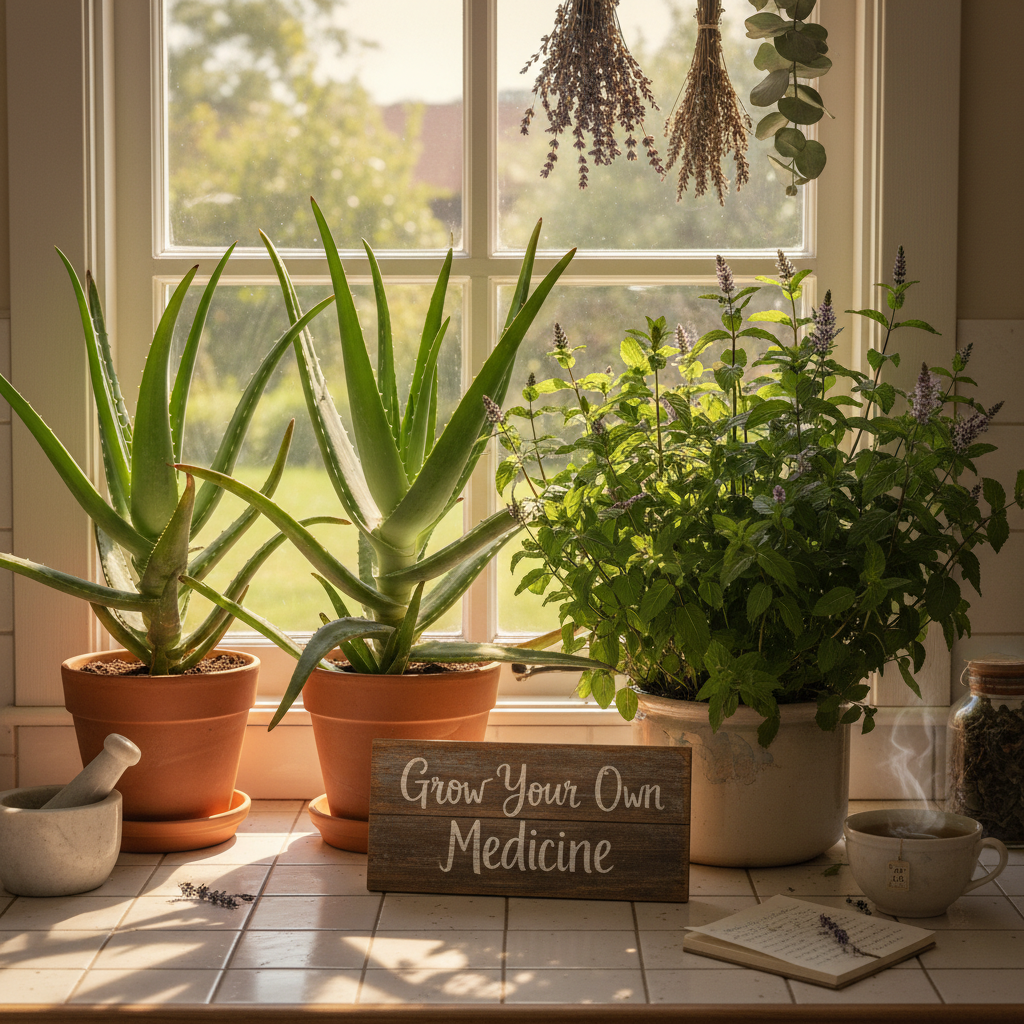
- Aloe Vera 🌵
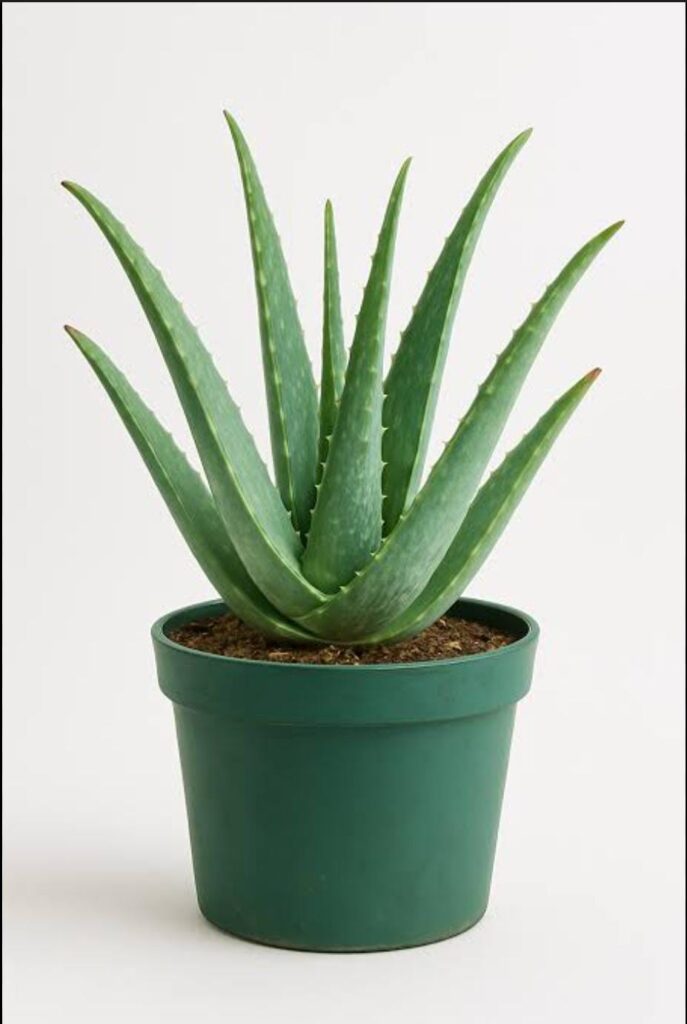
. Aloe Vera
The aloe vera grows only under the sun with well-drained dry or moist soil. Although the plant tastes like a turd, it’s still edible. The sap from aloe vera is extremely useful to speed up the healing & reducing the risk of infections for :
wounds
cuts
burns
reducing inflammation
Apart from its external use on the skin, aloe vera is also taken internally in the treatment of :
ulcerative colitis (drinking aloe vera juice)
chronic constipation
poor appetite
digestive problems
Health Benefits:
- Heals burns, cuts, and acne
- Improves digestion
- Promotes healthy hair growth
- Supports immunityv
Growing Tips:
- Requires very little water
- Prefers indirect sunlight
- Grows well in small pots
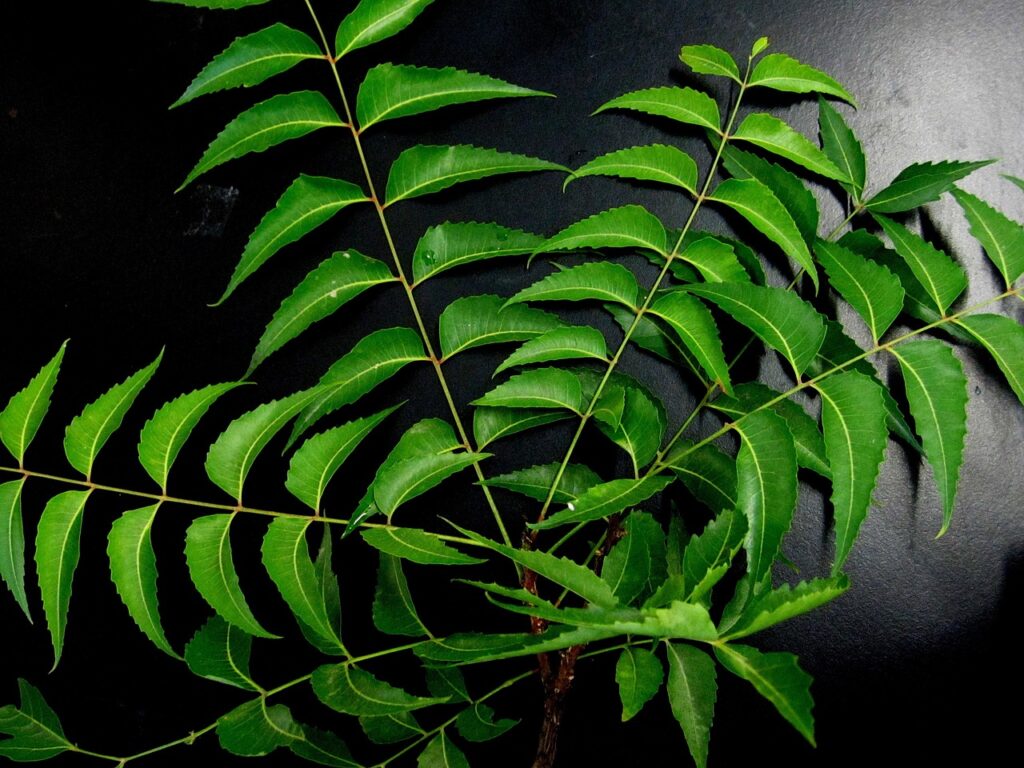
- Neem 🌳
Neem is often called the “Village Pharmacy” because of its powerful medicinal properties.
Health Benefits:
- Acts as a natural blood purifier
- Treats skin problems like acne and infections
- Has antibacterial and antifungal properties
Home Remedy Tip: Neem leaf water can be used as a natural skin toner.
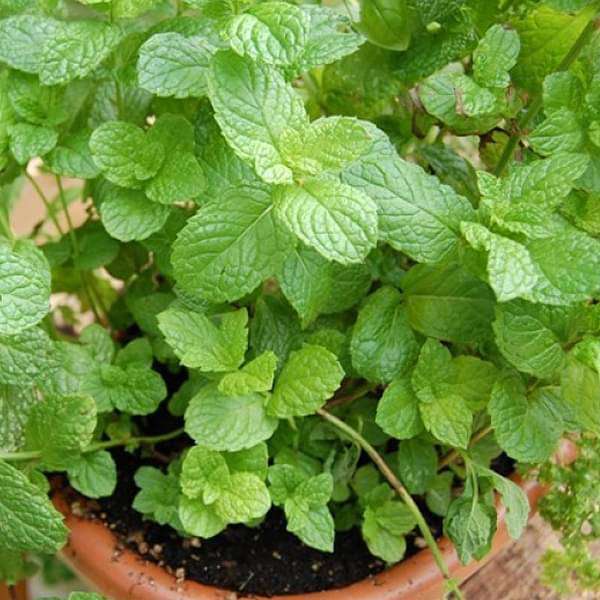
- Mint (Pudina) 🌿
Mint is a fast‑growing and refreshing herbal plant that is easy to maintain.
Health Benefits:
- Improves digestion
- Relieves headaches and nausea
- Freshens breath naturally
Care Tips:
- Needs regular watering
- Grows well in partial sunlight
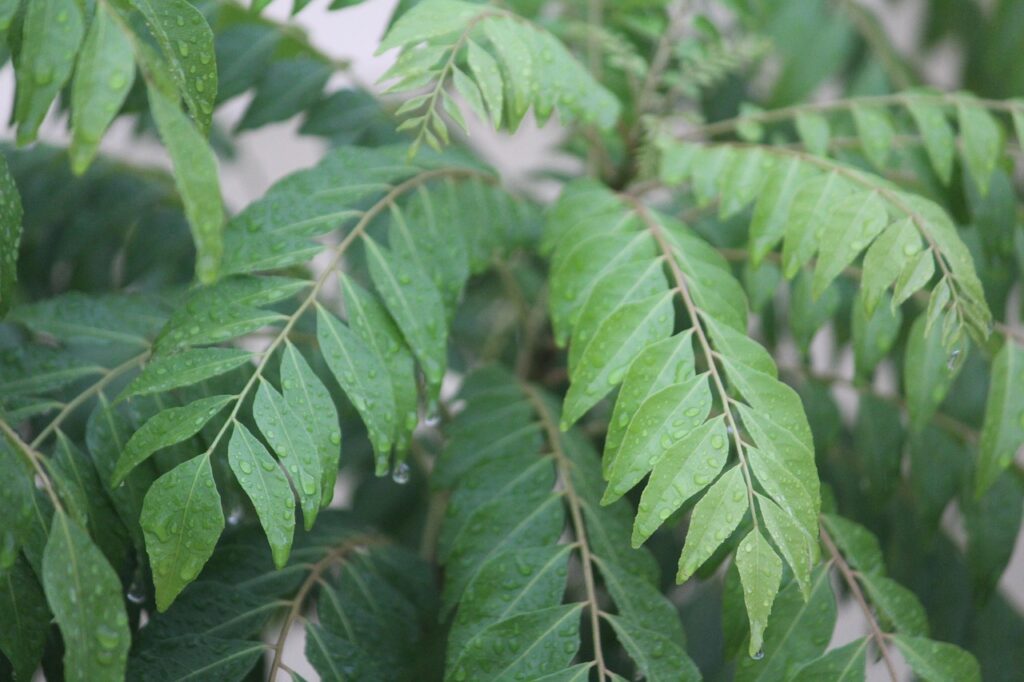
- Curry Leaves 🌿
Curry leaves are not only used in cooking but are also rich in medicinal value.
Health Benefits:
- Helps reduce hair fall
- Supports diabetes management
- Improves digestion
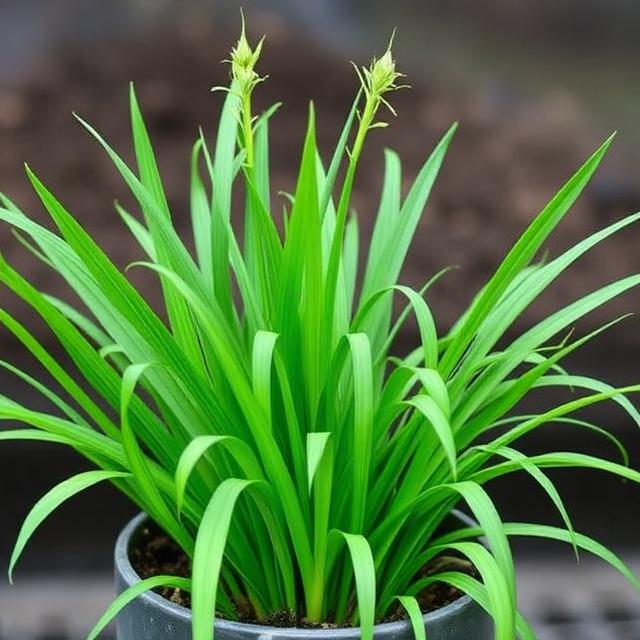
- Lemongrass 🍃
Lemongrass is widely used for herbal teas and natural remedies.
Health Benefits:
- Reduces stress and anxiety
- Aids digestion and detoxification
- Works as a natural mosquito repellent

- Giloy 🌿
Giloy is known as “Amrit” in Ayurveda due to its immunity‑boosting properties.
Health Benefits:
- Strengthens immunity
- Helps fight fever and weakness
- Purifies blood
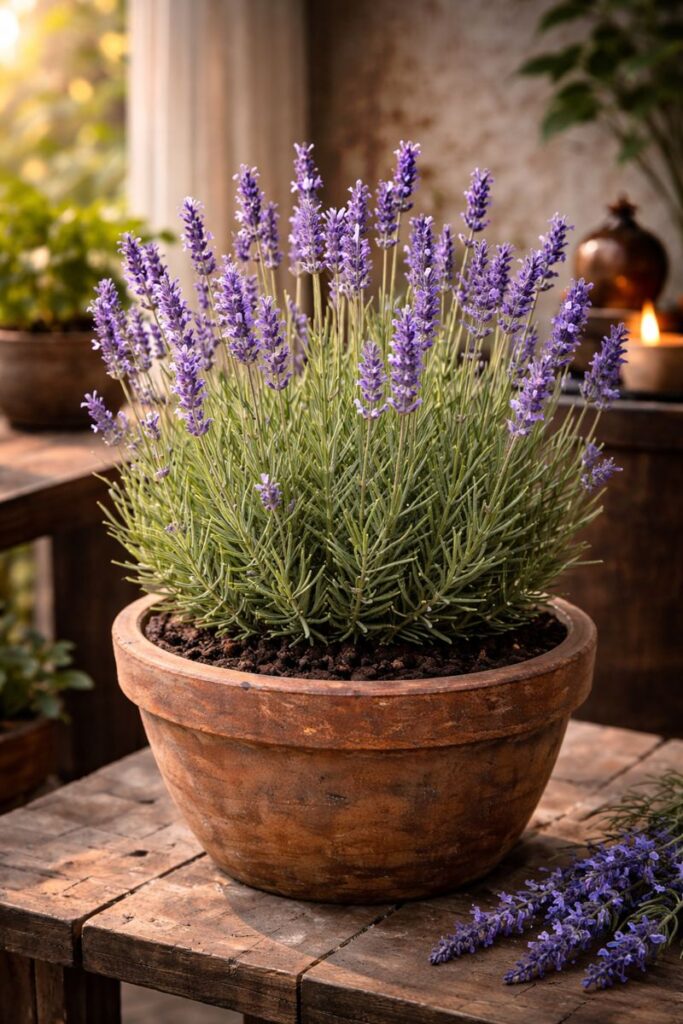
- Lavender 🌸
Lavender is a beautiful plant known for its calming fragrance.
Long recognized for its sweet perfume, lavender also boasts medical benefits as a nervine and mild antidepressant. UMMC suggests adding it to your bath to alleviate stress, tension, and insomnia. It’s also used in creams to treat sunburns and acne.
Woody lavender plants prefer hot, sunny, and dry environments. The fresh flowers are tasty in small doses when added to salads, honey, butter, lemonade, and even shortbread cookies. If you’re crafty, try sewing up an herbal heating pad or eye pillow with the fragrant dried flowers
Health Benefits:
- Improves sleep quality
- Reduces anxiety and stress
- Enhances mood and relaxation
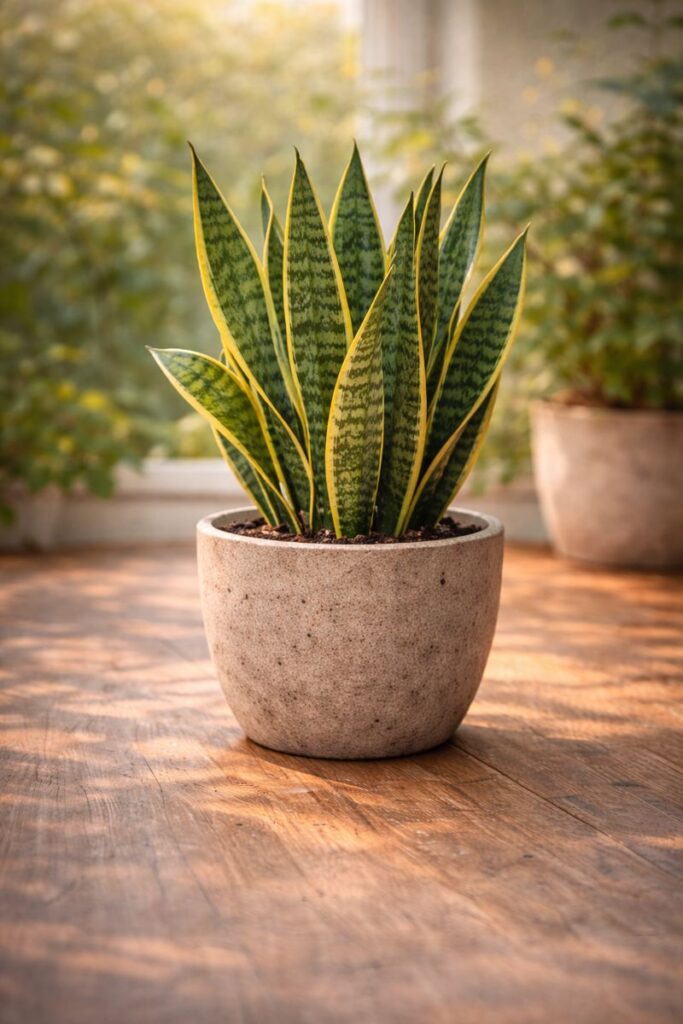
- Snake Plant 🪴
Snake Plant is one of the best indoor air‑purifying plants.
Health Benefits:
- Improves indoor air quality
- Helps reduce headaches and fatigue
Ideal plant for bedrooms
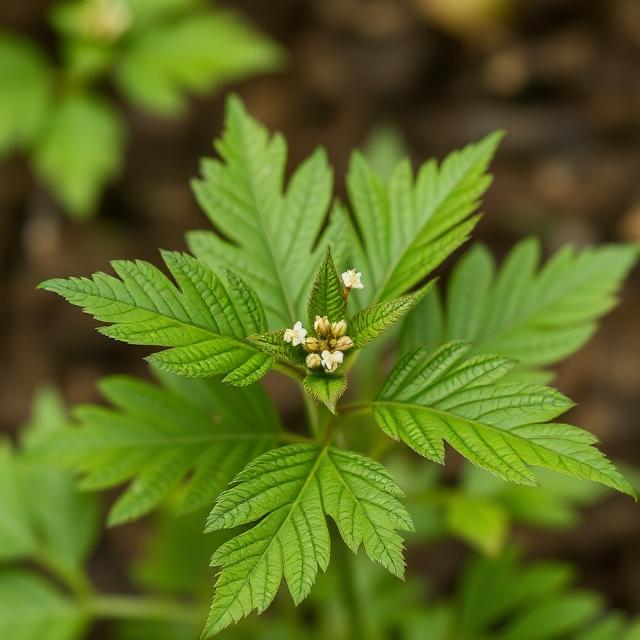
- Brahmi 🌿
Brahmi is well known for its positive effects on brain health.
Health Benefits:
- Improves memory and concentration
- Reduces mental stress
- Beneficial for students and working professionals
🌿 Best Plants for Immunity
- Tulsi
- Giloy
- Neem
- Aloe Vera
🌿 Plants for Stress Relief & Mental Health
- Lavender
- Jasmine
- Snake Plant
- Rosemary
🌿 Plants for Digestion
- Mint
- Ajwain plant
- Lemongrass
🌿 Plants for Skin & Hair Care
- Aloe Vera
- Neem
- Curry Leaves
- Calendula
Easy Growing Tips for Beginners
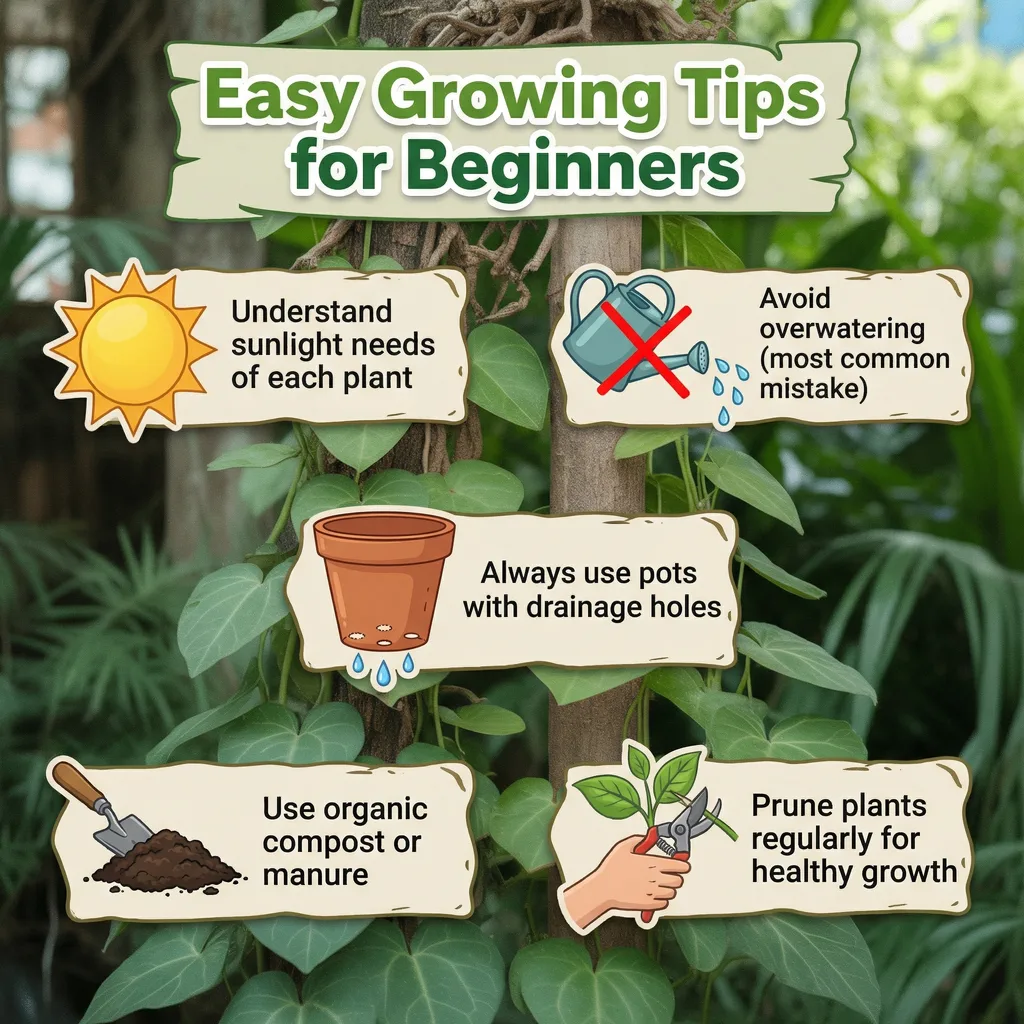
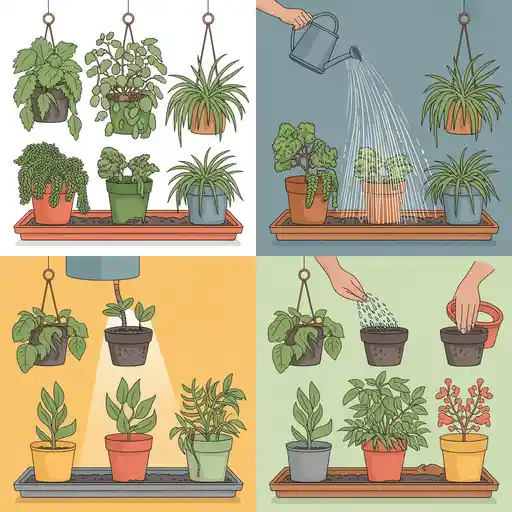
- Understand sunlight needs of each plant
- Avoid overwatering (most common mistake)
- Always use pots with drainage holes
- Use organic compost or manure
- Prune plants regularly for healthy growth
Common Mistakes to Avoid ❌
- Growing too many plants in one pot
- Watering plants every day without checking soil
- Keeping indoor plants in harsh direct sunlight
- Ignoring seasonal care requirements
- Tulsi should be placed in the north‑east direction
- Money Plant is best in the south‑east direction
- Neem and Aloe Vera bring positive energy and peace
These plants help create a positive, calm, and healthy environment at home.
Why You Should Grow Medicinal Plants at Home
✔ Easy access to natural remedies
✔ Chemical‑free and eco‑friendly lifestyle
✔ Better indoor air quality
✔ Reduced stress and improved mood
✔ Safe and natural remedies for children
- Tulsi releases oxygen most of the day, even at night.
- Aloe Vera survives weeks without water.
- Snake Plant releases oxygen at night.
- Lavender scent reduces stress and improves sleep.
- Mint grows fast, so plant in a separate pot.
- Neem has strong antibacterial properties.
Frequently Asked Questions (FAQs) ❓
- Which medicinal plant is best for home?
Tulsi, Aloe Vera, Neem, and Snake Plant are among the best medicinal plants for home because they are easy to grow and offer multiple health benefits.
- Can medicinal plants be grown indoors?
Yes, many medicinal plants like Aloe Vera, Snake Plant, Mint, and Brahmi grow very well indoors with proper light and care.
- How many medicinal plants should I keep at home?
For beginners, 2–4 medicinal plants are ideal. You can increase the number as you gain experience.
- Do medicinal plants really improve health?
Yes, medicinal plants improve air quality, reduce stress, boost immunity, and support natural healing when used correctly.
- Which medicinal plant is best for stress relief?
Lavender, Brahmi, and Jasmine are excellent plants for reducing stress and promoting mental relaxation.
- Are medicinal plants safe for children and pets?
Most medicinal plants are safe, but some plants like Neem should be kept out of reach of small children and pets.
Final Thoughts 🌱
Medicinal and herbal plants are not just plants—they are nature’s healers. Growing these plants at home helps create a small healing garden that supports both physical and mental well‑being.
 Final Question: If nature is offering free healing, why not bring a few medicinal plants into your home today?
You don’t need a big garden to start. Even 2–3 medicinal plants can make a big difference. Start small, care consistently, and let nature take care of you.
 When you take care of nature, nature takes care of you.
 External Resource: Learn more from https://nurserylive.com/
  If you want to buy medicinal plants for home, explore our collection here
